Posts

Showing posts with the label Biochemistry

Carbohydrates list in Chemistry with Chemical formula in PDF

Carbohydrates List | Free Download Complete Carbohydrates List Carbohydrates are vital macronutrients found in many foods. They are the body’s primary source of energy and play essential roles in metabolism and cell function. This downloadable list categorizes carbohydrates into monosaccharides, disaccharides, and polysaccharides, helping learners differentiate among simple and complex carbs. Simple carbohydrates include glucose and fructose, while disaccharides like sucrose and lactose are formed from two sugar units. Complex carbohydrates, such as starch, glycogen, and cellulose, consist of long chains of sugar molecules and are found in grains, vegetables, and legumes. This resource is ideal for biology students, educators, dietitians, and anyone looking to understand carbohydrate classifications in nutritional science or biochemistry. It’s presented in a clear, educational layout to enhance memory and concept reten...
Unraveling the Wonders of Proteins: Definitions, important points and examples

Image
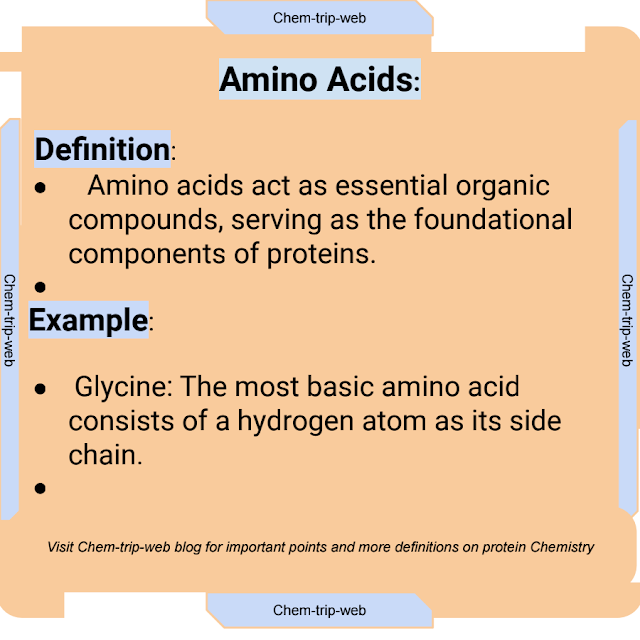
Introduction: Proteins, the building blocks of life, are intricate molecules responsible for numerous vital functions in living organisms. Understanding their structure is crucial for unraveling their diverse roles in the human body and other organisms. In this blog post, we will delve into the world of protein structure, exploring key concepts such as amino acids, peptide bonds, and various levels of protein structure. Whether you are a student or a professional, this guide will equip you with essential knowledge to appreciate the complexity and beauty of proteins. 1. Amino Acid: Definition:  Amino acids act as essential organic compounds, serving as the foundational components of proteins.  They consist of an amino group (-NH2) and a carboxyl group (-COOH) attached to a central carbon atom, along with a unique side chain (R group). Important Points:  A diverse array of proteins arises from the combination of 20 standard amino acids in varying sequences.  Each amino...

Sucrose: A Comprehensive Guide to Composition, Uses, and Health Implication , history

Image
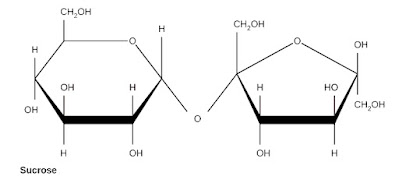
A Complete Guide to Sucrose: Everything You Need to Know Sucrose, also known as table sugar, is one of the most common and widely used sweeteners in the world. But what is sucrose exactly, and how does it affect your health? In this article, we will explore the chemistry, production, uses, and health implications of sucrose, as well as some alternatives and interesting facts. Introduction to Sucrose Definition of Sucrose Sucrose is a type of carbohydrate and a simple sugar, specifically a disaccharide composed of glucose and fructose. Sucrose has the scientific name of 1-D-fructofuranosyl–D-glucopyranoside. Sucrose has a molecular formula of C 12 H 22 O 11 and a molecular weight of 342.3 g/mol. Composition and Structure of Sucrose Sucrose is made up of two monosaccharides, glucose and fructose, that are linked by a glycosidic bond between their anomeric carbons. This means that sucrose is a non-reducing sugar, meaning that it does not react with Benedict’s reagent or other...

The Chemistry of Tea: How It Affects Taste, Aroma, and Health

Image
The Chemistry of Tea Tea is one of the most popular beverages in the world, with a rich history and culture. But what makes tea so special and diverse? The answer lies in the chemistry of tea, which involves the various chemicals that are present in the tea plant and its leaves, and how they affect the taste, aroma, color, and health effects of tea. In this blog post, we will explore some of the main aspects of tea chemistry, such as: The types of tea and how they are processed  The main chemical compounds in tea and their roles The factors that influence the quality and flavor of tea The benefits and risks of drinking tea   Types of Tea and Processing All tea is made from the leaves of the same plant, Camellia sinensis. However, there are six main types of tea that are produced by different processing methods: white, yellow, green, oolong, black, and post-fermented. Each type of tea has a unique aroma, taste, and visual appearance. The key to the chemical and taste difference...

The Science Behind Chocolate: How Cocoa Beans Become a Delicious Treat

Image
  The Chemistry of Chocolate: How Cocoa Beans Become a Delicious Treat Chocolate is one of the most popular and beloved foods in the world, but do you know what makes it so irresistible? In this blogpost, we will explore the chemistry behind chocolate, from the raw cocoa beans to the final product. We will learn about the chemical compounds that give chocolate its flavor, aroma, color and texture, and how they are affected by different processing steps. We will also discover some of the health benefits and risks of chocolate consumption, and how to choose the best quality chocolate for your taste.     What is Chocolate Made of? Chocolate is a mixture of many different chemicals derived from the seeds of the cacao tree (Theobroma cacao). The main components of chocolate are cocoa solids, cocoa butter and sugar, but it may also contain other substances such as milk, vanilla, nuts or spices. Cocoa solids are the dark brown powder that remains after the cocoa butter is ext...

Understanding Metabolism: A Comprehensive Guide to the Body's Biochemical Processes

Image
Metabolism Introduction Metabolism is a term that describes the chemical reactions that take place in your body to maintain life. It is essential for converting food into energy, building and repairing tissues, and regulating various bodily functions. In this blog post, we will explore the key metabolic pathways that are involved in these processes, how they are influenced by different factors, and how they affect your health and well-being.   Understanding Metabolism Metabolism is a complex and dynamic process that involves hundreds of enzymes, hormones, and molecules. It can be divided into two main categories: catabolism and anabolism.  Catabolism is the breakdown of larger molecules into smaller ones, releasing energy in the form of ATP (adenosine triphosphate). Anabolism involves the formation of bigger molecules from smaller ones, utilizing energy derived from ATP.  The balance between catabolism and anabolism determines whether your body is in a state of growth,...