Posts

Sucrose: A Comprehensive Guide to Composition, Uses, and Health Implication , history
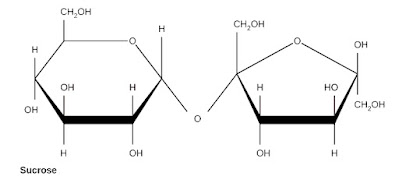
Image
A Complete Guide to Sucrose: Everything You Need to Know Sucrose, also known as table sugar, is one of the most common and widely used sweeteners in the world. But what is sucrose exactly, and how does it affect your health? In this article, we will explore the chemistry, production, uses, and health implications of sucrose, as well as some alternatives and interesting facts. Introduction to Sucrose Definition of Sucrose Sucrose is a type of carbohydrate and a simple sugar, specifically a disaccharide composed of glucose and fructose. Sucrose has the scientific name of 1-D-fructofuranosyl–D-glucopyranoside. Sucrose has a molecular formula of C 12 H 22 O 11 and a molecular weight of 342.3 g/mol. Composition and Structure of Sucrose Sucrose is made up of two monosaccharides, glucose and fructose, that are linked by a glycosidic bond between their anomeric carbons. This means that sucrose is a non-reducing sugar, meaning that it does not react with Benedict’s reagent or other...

Exploring Ecotoxicology: Understanding the Effects of Chemicals on Ecosystems

In-depth Look into Ecotoxicology: Evaluating the Impact of Chemicals on Environmental Health Outline: Introduction to Ecotoxicology   A. Definition and Overview of Ecotoxicology   B. Significance of Studying Chemical Impact on Ecosystems  Basics of Toxicology and Environmental Toxicology   A. Understanding Toxicology and Its Relationship to Ecotoxicology   B. Key Concepts in Environmental Toxicology  Ecotoxicology and Ecosystems   A. The Interplay Between Chemicals and Ecosystems   B. Impacts of Chemicals on Ecological Balance and Biodiversity Ecotoxicological Effects on Organisms   A. Biomarkers and their Role in Ecotoxicological Studies   B. Bioaccumulation and Biomagnification Processes  Assessment and Monitoring in Ecotoxicology   A. Methods and Techniques for Ecotoxicological Assessments   B. Monitoring Strategies for Environmental Contamination  Case Studies and Examples in Ecotoxicology   A. Ecotoxicology ...

The Chemistry of Tea: How It Affects Taste, Aroma, and Health

Image
The Chemistry of Tea Tea is one of the most popular beverages in the world, with a rich history and culture. But what makes tea so special and diverse? The answer lies in the chemistry of tea, which involves the various chemicals that are present in the tea plant and its leaves, and how they affect the taste, aroma, color, and health effects of tea. In this blog post, we will explore some of the main aspects of tea chemistry, such as: The types of tea and how they are processed  The main chemical compounds in tea and their roles The factors that influence the quality and flavor of tea The benefits and risks of drinking tea   Types of Tea and Processing All tea is made from the leaves of the same plant, Camellia sinensis. However, there are six main types of tea that are produced by different processing methods: white, yellow, green, oolong, black, and post-fermented. Each type of tea has a unique aroma, taste, and visual appearance. The key to the chemical and taste difference...

The Science Behind Chocolate: How Cocoa Beans Become a Delicious Treat

Image
  The Chemistry of Chocolate: How Cocoa Beans Become a Delicious Treat Chocolate is one of the most popular and beloved foods in the world, but do you know what makes it so irresistible? In this blogpost, we will explore the chemistry behind chocolate, from the raw cocoa beans to the final product. We will learn about the chemical compounds that give chocolate its flavor, aroma, color and texture, and how they are affected by different processing steps. We will also discover some of the health benefits and risks of chocolate consumption, and how to choose the best quality chocolate for your taste.     What is Chocolate Made of? Chocolate is a mixture of many different chemicals derived from the seeds of the cacao tree (Theobroma cacao). The main components of chocolate are cocoa solids, cocoa butter and sugar, but it may also contain other substances such as milk, vanilla, nuts or spices. Cocoa solids are the dark brown powder that remains after the cocoa butter is ext...